
Alone—but not lonely: What the darkness reveals to us about ourselves
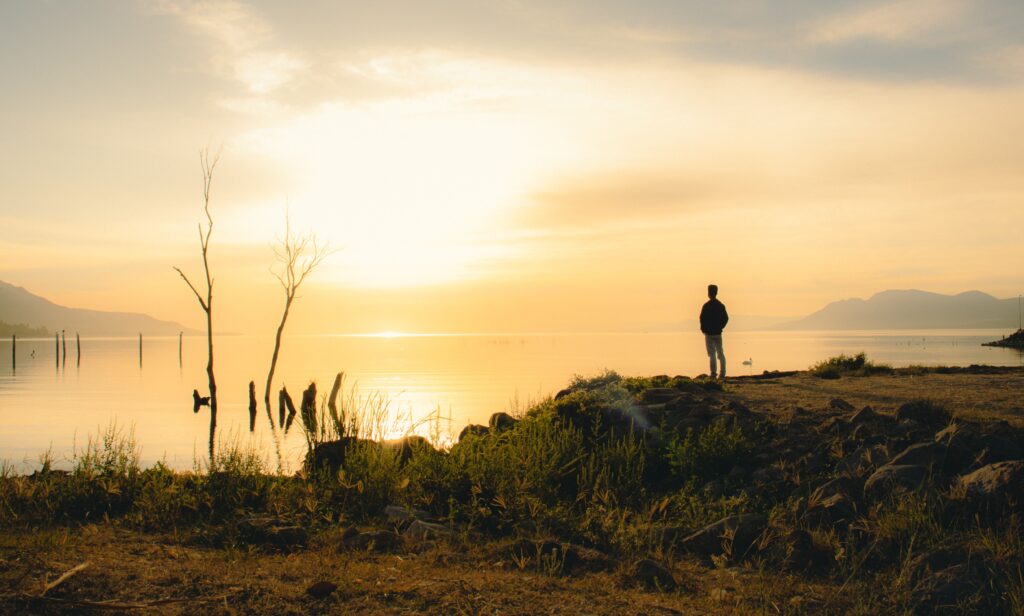
What happens when suddenly there's no one left to distract us?
To many people, a silent retreat initially sounds like the very thing they fear most: being alone with themselves for days on end, without any distractions. The idea brings to mind loneliness—that empty, uncomfortable feeling that most people try to avoid as much as possible.
Yet almost everyone who has gone through a dark retreat describes something different afterward: It didn’t feel lonely. It felt as if they were finally reunited with someone—namely, themselves.
Why We Confuse the Two
In everyday life, “being alone” is almost always associated with an uneasy feeling. You’re alone when plans fall through, when messages go unanswered, or when an evening you’d actually wanted to spend with others ends up being empty. No wonder we mentally conflate being alone and loneliness—in everyday life, they’re often truly connected.
But loneliness is a feeling of separation—you miss connection, you feel unseen or misunderstood. Being alone is, first and foremost, just a state of being: no one else is there right now. Whether this state feels lonely or fulfilling depends above all on what your relationship with yourself is like at that moment.
What Happens in the Dark
During the first few hours of a dark retreat, many people experience exactly the feeling they feared: a sense of emptiness, restlessness, almost a kind of loneliness—except that no one is missing except for the usual distractions. The cell phone. The voices of others. The ability to distract oneself at any moment as soon as things get uncomfortable.
But after a while, something changes. With no way to avoid it, you begin to truly listen to yourself—to your own thoughts, feelings, and rhythm. Many guests describe this moment as a kind of turning point: the initial unease gives way to a sense of calm, sometimes even of security. You’re still alone—but it no longer feels empty. It feels like a return to yourself.

Learning to Appreciate Our Own Society Again
That may be the greatest lesson a dark retreat can teach: Being alone doesn't necessarily mean that something is missing. It can mean that nothing is missing right now—that you are enough for yourself, at least for this moment.
This experience often changes the way people deal with solitude in their daily lives after the retreat. A quiet evening alone at home no longer automatically feels like a lack of something, but can be consciously experienced as time for oneself—without the constant need to fill that silence right away.
Connected, Even When Alone
Interestingly, many guests also report feeling a stronger sense of connection to others after the retreat—even though (or perhaps precisely because) they spent days entirely on their own. Those who have a good relationship with themselves need other people less to feel complete. And, paradoxically, that very thing often makes genuine closeness with others easier, not harder.
If you want to discover what true solitude feels like—beyond loneliness—a dark retreat is a powerful place to do so. We’d be happy to guide you on this journey.