
The First Three Days of the Darkness Retreat: From the Outside to the Inside—A Journey Through One’s Own Perceptions
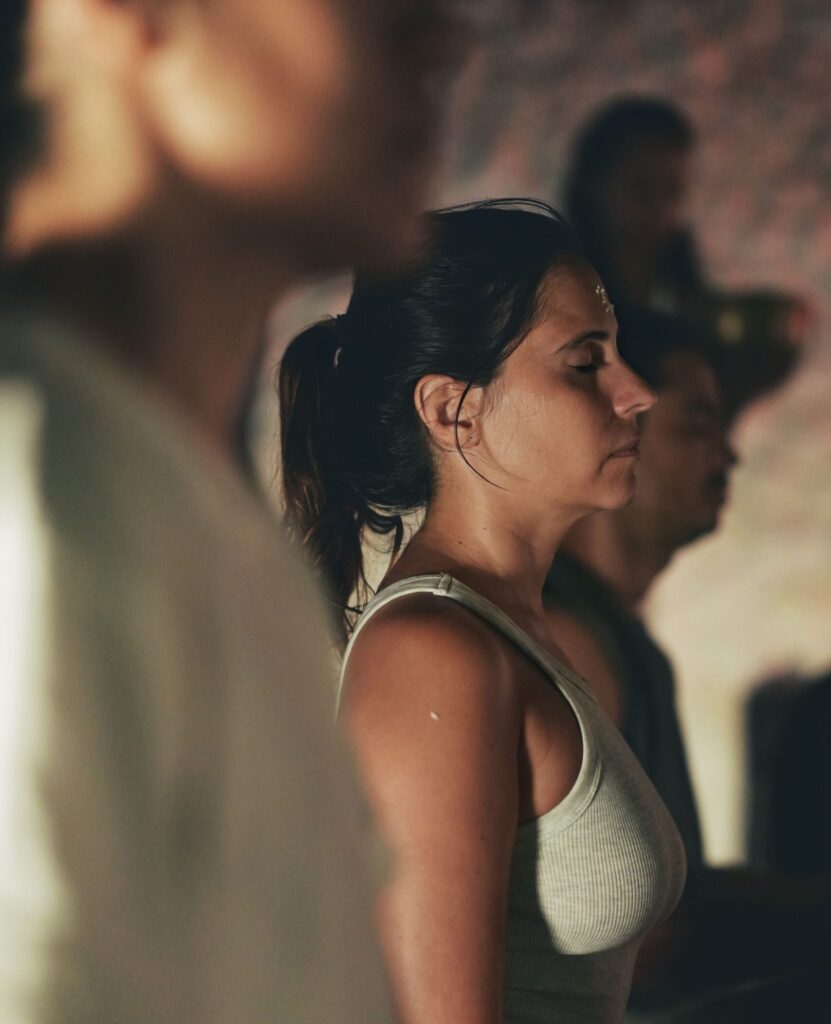
What Happens in the First 72 Hours and Why This Time Is So Special
The first few days of a dark retreat are an extraordinary experience. Suddenly, all the things that normally define our daily lives fall away: light, schedules, news, conversations, and the constant distraction of external stimuli.
At first, this change may feel unfamiliar. The body and mind need time to adjust to the new environment. But it is precisely during this transitional phase that an exciting journey begins: away from the external hustle and bustle and toward a more conscious awareness of one’s inner self.
For many participants, the first three days are an intense but rewarding time of settling in, finding peace, and reorienting themselves.
The Arrival: When the outside world slowly grows quieter
As soon as the door to the darkroom closes, a unique experience begins. At first, the body tries to find its bearings, because our brains are accustomed to constantly perceiving our surroundings through our eyes.
Navigating in the Dark
During the first few hours, your eyes may continue to try to make out shapes or outlines. This is a completely natural reaction. Gradually, however, your brain adjusts to the darkness, and you become more aware of your other senses.
Sounds, physical contact, and one's own body awareness can suddenly seem much more intense.
When Thoughts Are Given More Space
Without the usual distractions of everyday life, it often becomes clear just how active our own minds actually are. Thoughts, memories, or unresolved issues can come more strongly to the forefront of our consciousness.
These first moments aren't necessarily easy—but they offer an opportunity to become more self-aware and find peace.
Day Two: The body can finally relax
After the initial adjustment period, the body often begins to relax more deeply. Many people realize just how great the difference actually is between their everyday lives and this state of complete calm.
More Sleep and Rest
Some participants sleep a lot during the first few days. The body uses this time to rest and recharge.
It's not about having to accomplish something or achieve a specific experience. The most important step is often simply allowing your body to relax.
The senses change
When vision takes a back seat, other sensations often become more noticeable. Sounds, breathing, movements, and subtle physical sensations can be experienced much more intensely. Many people describe this experience as a new form of mindfulness.
Day Three: More peace, more clarity, more connection to oneself
After a few days in the dark, many people begin to develop a new sense of time and perception.
Without a watch, daylight, or external appointments, everyday life loses its usual structure. Instead of constantly waiting for the next task, you become more attentive to the present moment.
A New Way of Perceiving Things
Some people describe seeing mental images, colors, or having unusual sensations during the darkness. Everyone experiences this phase differently.
The important thing to remember is: It’s not about forcing certain experiences. The most valuable change often happens very quietly—through greater peace, clarity, and a deeper connection to oneself.
What Might Change in the First Few Days
The first 72 hours can bring a variety of experiences:
Greater Body Awareness
Without visual cues, movements often become slower and more deliberate. You become more aware of your own body.
Less Mental Chaos
Many people find that their inner stress gradually subsides, creating more space for clarity.
Deeper feelings
Emotions can be perceived more consciously because there are fewer distractions.
Tips for Your First Few Days in the Dark
To help you enjoy this special time as stress-free as possible:
Move Consciously
Take your time moving and explore your surroundings slowly. Your body will find its own way to adapt.
Listen to your body
If you're tired, rest. If you want to move around, give yourself that space. There's no right or wrong way to do things.
Let Go of Expectations
Everyone experiences a dark retreat differently. Don't try to force certain feelings or insights. Often, the most valuable moments arise quite naturally.
Conclusion: The First Few Days as a Journey of Self-Discovery
The first three days of the darkness retreat are a time of transition. They lead you away from the constant sensory overload of everyday life and create space for calm, self-awareness, and rest.
Darkness doesn't take anything away—it gives something back: the opportunity to slow down, to be more mindful, and to reconnect more deeply with yourself.
Sometimes the most profound change begins right where things are at their calmest.